The Back-Room Brackets: Twelve Questions for a Proper UK Jordan Meet-Up

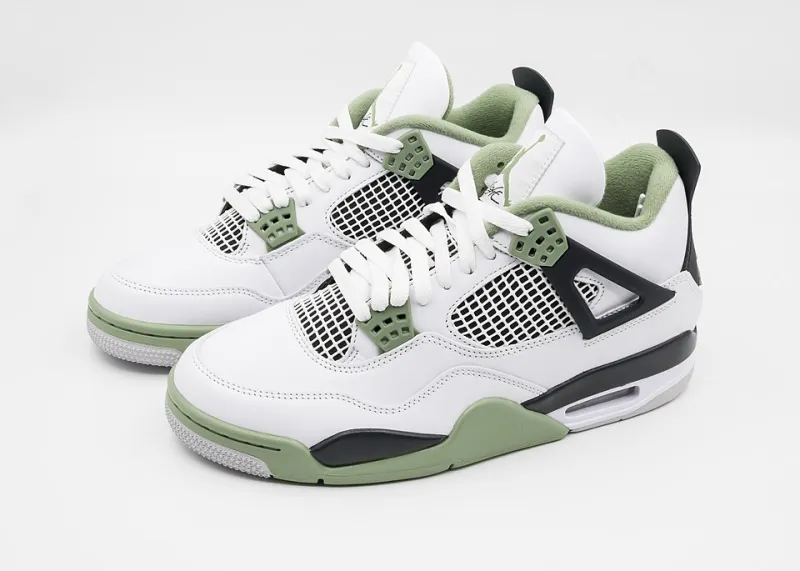
Photo: pub quiz scorecard and sneaker meet-up in a UK back room, Air Jordan sneakers under table, via c8.alamy.com
A good sneaker quiz should be like a good pair of Jordans: familiar enough to feel right, detailed enough to reward a proper look, and capable of causing a mild argument in a pub back room. This is not a test you revise for. It is a test of whether you have actually been paying attention, or whether you just know the logo.
Set it up for a local meet-up: teams of two to four, one scorecard per team, no phones, and a quizmaster who is allowed to be slightly biased. The questions below are designed to start friendly and end in a rematch.
The twelve questions
-
Which Air Jordan model is most closely associated with the NBA ban story, and what colourway is usually named in that story?
-
What year did the Air Jordan 3 release?
-
In collector language, what does DS mean?
-
What does OG mean when someone says they have an OG pair?
-
Which Air Jordan colourway is commonly known as Bred?
-
Which Air Jordan 11 colourway is most associated with December drops and party-season rotation?
-
What does the tongue tag’s production date tell a UK collector?
-
Which London shopping street is regularly cited in UK sneaker folklore as an early queueing hotspot for Jordan releases?
-
What is the difference between a retro release and an original release?
-
In a group chat drop, what is the main risk of a shared cart?
-
Why do UK collectors often talk about the box as part of the pair?
-
What is the difference between wear and damage when someone is describing a used pair?
Answer notes and debate prompts
-
The Air Jordan 1 is the model tied to the ban story, usually with the black and red colourway. The debate prompt: was it a genuine ban or a marketing masterstroke? Let the table argue.
-
The Air Jordan 3 released in 1988. If someone says 1987, they are thinking of the Air Jordan 2. If someone says 1989, they are already thinking about the 4. Both are useful mistakes.
-
DS means deadstock, generally understood as unworn and as close to original condition as possible. The debate prompt: does deadstock mean unworn, or does it mean unworn and complete with box and accessories? This one can run for twenty minutes.
-
OG means original. In practice, it can mean the original colourway, the original release, or original specification. Context matters. A collector who says OG and means original release will usually make that clear.
-
Bred means black and red. It is not a single shoe, which is where newer heads sometimes trip up. It is a colour description used across models.
-
The Air Jordan 11 Concord is the easy answer. The debate prompt: is the 11 the most December-coded Jordan of all time, or does the 12 deserve a shout for winter wear? Expect strong opinions.
-
The production date on the tongue tag tells you when the pair was manufactured, usually shown as a date range. It helps a collector place the pair in a production run. It does not tell you the release date by itself. That is the trap.
-
Oxford Street is the safe answer in UK sneaker folklore, especially around the big sportswear stores and the queues that used to form there. Accept Carnaby Street or nearby Soho references if the team can make a convincing case. This is a pub quiz, not a court of law.
-
A retro is a later re-release of an original design. An original is from the first release run. The debate prompt: does a retro pair count as a grail if the original is out of reach? Most tables split on this.
-
The main risk is that the cart is shared but the payment and ownership are not clear. The answer should mention payment upfront, agreed sizes and a named person who is responsible for checkout. If a team says trust, give them half a point and a raised eyebrow.
-
UK collectors treat the box as provenance. It is not just packaging. It is part of the story, part of the resale package and part of how a pair is stored. The debate prompt: is a boxless pair still a collector’s pair? Yes, but the price and the vibe change.
-
Wear is expected: creasing, sole wear, slight fading. Damage is a tear, a deep stain, a separated sole or a structural problem. A good answer recognises that worn-in is not the same as beaten up.
The scorecard
0 to 4: Tourist with good taste. You know what you like. Now learn the lore.
5 to 7: Casual with potential. You have been paying attention, but the back room still has a few secrets.
8 to 10: Proper head. You can hold a table, correct a myth and still keep the mood friendly.
11 to 12: Back-room bracket champion. You buy the next round and pretend it was easy.
Tie-breaker for the rematch
If two teams finish level, ask them to name the most underrated Air Jordan for UK weather. There is no correct answer. The team that makes the most convincing case wins. That is the point of the quiz. It is not really about getting every answer right. It is about showing that you understand the culture well enough to argue about it properly. And in a UK pub back room, that is the real test.