Call It What It Is: A UK Jordan Collector’s Guide to Words That Still Carry Weight
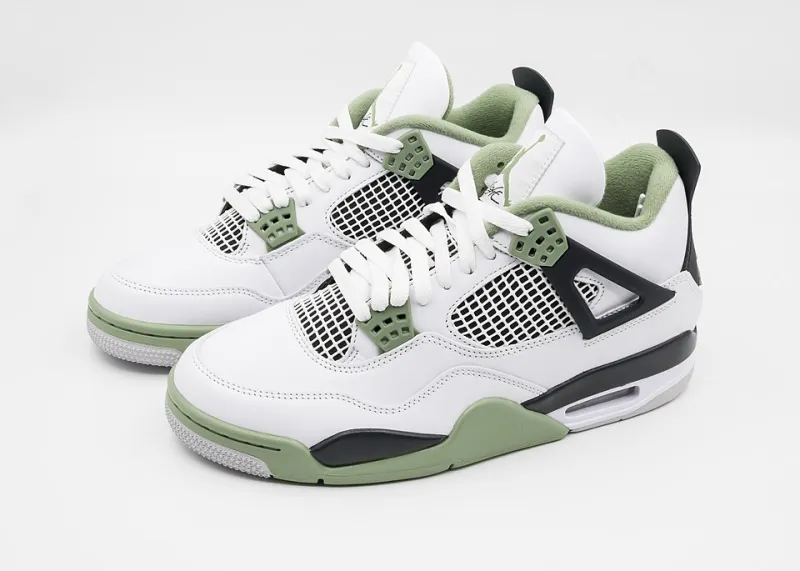
Photo: Jacek Halicki, CC BY-SA 4.0, via Wikimedia Commons
UK Jordan culture has always been a talking culture. We debate toe boxes on the train, send blurry photos in group chats, and quiz each other about tongue tags like it’s a pub quiz with higher stakes. But somewhere between the raffle wins and the resale listings, the words we use have gone soft. Not soft as in gentle — soft as in meaningless. If everything is a grail, nothing is. If every worn pair is deadstock, condition means nothing. If every drop is a must-cop, you’re not describing sneakers; you’re just copying a caption.
The Inflation Problem
Sneaker language has had the same treatment as football transfer gossip: everything is sensational, nothing is specific. A general release with a decent colourway becomes a “grail.” A pair worn indoors twice becomes “deadstock.” A shoe that will sit on shelves for weeks becomes a “must-cop.” It’s not just annoying — it’s expensive. Loose language fuels hype, muddies resale listings and makes it harder for UK buyers to know what they’re actually paying for.
In 2026, the resale apps are still full of listings that read like parody. “Deadstock, worn once, no box, slight creasing.” That’s not deadstock. That’s a worn pair without a box. “Grail alert” on a pair that restocked three times last season. “Must-cop” on something the seller is clearly trying to shift before the price dips. The vocabulary isn’t just sloppy; it’s doing a job — making average pairs sound exceptional and exceptional pairs sound like everything else.
Three Words That Need a Rest
Grail
A grail should be personal. It’s the pair you’ve chased for years, the one you thought you’d never own, the one with a story attached. It is not every limited release with a nice colourway. A grail is a memory in waiting, not a StockX chart with a hype score. If you mean “I really want these,” say that. If you mean “I’ve been hunting these since school,” then you’re getting warmer.
Deadstock
Deadstock means unworn, in original condition, ideally with the box and accessories. It does not mean “good condition.” It does not mean “tried on indoors.” It definitely does not mean “worn twice but you can’t tell from the photos.” If a pair has been worn, say so. “Worn once indoors,” “worn a handful of times,” “well-loved” — all of these are more useful than a vague “DS” that collapses the moment you see the toe box.
Must-Cop
There is no such thing. There are pairs you want, pairs you’re watching, pairs you’ll wait for a restock on, and pairs you’ll pass on because the price is silly. “Must-cop” is marketing language dressed up as enthusiasm. It creates urgency where none exists. A better phrase: “on my list.” It’s calmer, it’s honest, and it leaves room for a sensible decision.
A UK Field Guide to Honest Jordans
The sharper vocabulary starts with tiers. Not every pair needs a coronation. Most of us live in rotations, not museums.
Pub beater. Creased, yellowed, rain-tested and still in the mix. This is not a insult — it’s a badge. A pub beater has seen the walk to the match, the sticky floor and the 11pm bus home. It’s the pair you don’t panic about.
Daily driver. Worn regularly, cleaned occasionally, maybe a lace swap. It’s the backbone of the rotation. Not rare, not precious, but doing proper work.
Rotation piece. In the weekly mix, well looked after, maybe with the original box. It gets worn, but it doesn’t get abused. This is where most good collections actually live.
Display pair. Kept clean, worn sparingly, stored properly. Not necessarily rare, but cared for. The kind of pair you bring out for the right day, not the first puddle.
Grail. Personal, chased, meaningful. It can be expensive, but expensive alone doesn’t make it a grail. A grail has a story before you own it and a story after.
Condition language matters just as much. “Box-fresh” is useful. “Unworn” is useful. “Worn once” is useful. “Well-loved” is useful. “Project pair” is useful — it tells a buyer there’s work to do. Details do the heavy lifting: yellowing on the midsoles, creasing on the toe box, suede nap, cracked midsole paint, heel drag, faded tongue tags. UK sizing helps too: “UK10,” “fits true,” “half size up” — all more helpful than a paragraph of vibes.
Rarity Needs Receipts
“Rare” is another word that gets thrown around like a jacket at a gig. Rare compared to what? A regional exclusive? A sample? A player exclusive? A collab that never touched down here? A colourway that dropped in Europe but skipped the UK? Context is everything.
“OG” means original colourway, not original owner. “Retro” means a reissue, not a vintage pair from the first time round. “PE” means player exclusive, and if you’re using it, you’d better be ready to explain why. “Sample” means sample — not simply “a pair I don’t see often on Depop.”
A UK collector’s vocabulary should be precise enough to survive a pub cross-examination. If you can’t say why a pair is rare without pointing at a price, it might just be hyped. That’s fine. Hyped is a word too. It’s just not the same as rare.
Why Loose Language Costs Money
This isn’t just semantics. A pair described as deadstock that arrives with a creased toe box isn’t a grail; it’s a return case. A “must-cop” that sits unworn in the wardrobe is just a bad decision with good branding. And a “grail” that was available in every size last month is just a pair you liked.
On the buying side, sharper language protects you. Ask for dated photos. Ask for tongue tags, size labels, sole shots and box labels. If it’s collection only, meet at the station and check the pair in person. “Cash on collection” is not a personality trait, but it does focus the mind. If a seller can’t describe condition plainly, that’s information too.
On the selling side, honesty sells. A well-written listing that says “worn, creased, yellowed midsoles, no box” will find the right buyer faster than a vague “deadstock” that invites disappointment. UK heads can smell a fuzzy description from a mile off. The group chat will find the flaws anyway. You might as well name them first.
The Vocabulary Reset
The fix isn’t to ban the big words. It’s to earn them back. Use “grail” for the pairs that deserve it. Use “deadstock” for the pairs that are actually unworn. Use “must-cop” never. Talk like you’d talk to a mate in the pub: specific, honest, a bit dry. Say what you mean. Your collection will sound better for it — and your buys will be smarter.