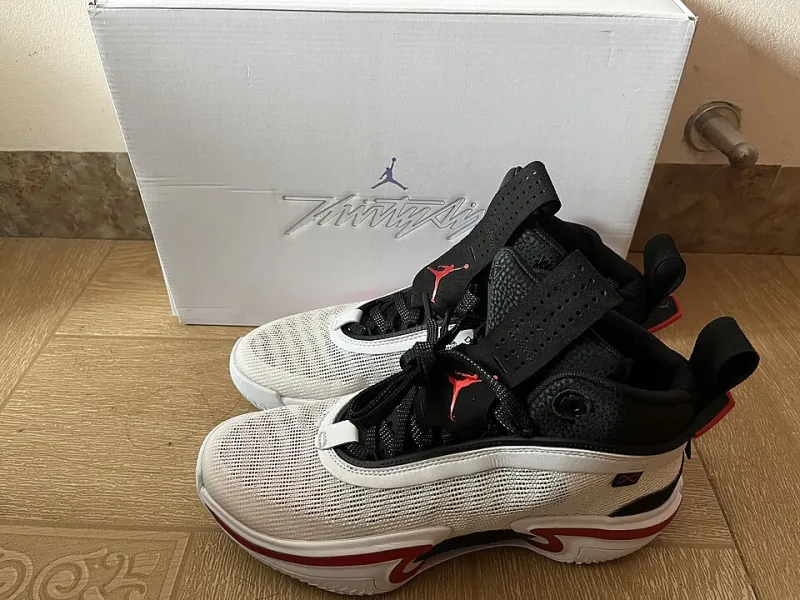
Grit, Rain and Retro Fits: A Winter Plan for Air Jordans in 2026

Photo: Air Jordan suede sneaker care brush waterproof spray UK winter street style, via wou.edu
British winter has a way of finding the one pair you meant to keep clean. You step out under a grey sky, the pavement is already slick with grit, and by the time you reach the station your suede toe box looks like it has been through a car wash. The good news for Air Jordan collectors in 2026 is that you do not need to seal your rotation in plastic until March. You need a plan — and a bit of discipline about when to wear what.
Read the pavement, not the hype
The first rule of winter rotation is simple: not every Jordan is a winter Jordan. That does not mean you need a separate “beater” wardrobe, but it does mean being honest about materials. Nubuck, suede and light-coloured uppers are brilliant in dry cold; they are less brilliant in deep slush and freshly gritted streets. Leather, patent leather and darker, smoother finishes cope better with damp pavements and the odd splash.
Check the forecast before you lace up. If the morning looks wet and the route involves a long walk, a bus queue or a train platform, pick the pair that can take a wipe-down. Save the pale suede for dry days, pub gardens and indoor meet-ups. Rotation is not about babying your collection — it is about getting more wear out of it over the whole season.
The nubuck problem is mostly a salt problem
Most winter damage is not caused by rain alone. It is caused by grit, salt and the fine grey slurry that collects on pavements and then dries into the nap of suede and nubuck. If you let that sit, it becomes a stain. If you scrub it wet, you can push it deeper.
The routine is boring, but it works. Brush the shoes dry when you get home, using a soft horsehair brush and short strokes. Do not attack the whole shoe; focus on the marks. A microfibre cloth and a dedicated foam cleaner are enough for most everyday grime. Blot damp patches with a paper towel rather than rubbing them. Let the pair air-dry at room temperature, stuffed lightly with paper, away from radiators and hairdryers.
Before the first proper wet week, use a water-repellent spray designed for suede and nubuck. Test it on a small hidden area first, apply in a ventilated room and let it cure properly. It will not make your Jordans waterproof, and it will not turn them into wellies, but it will buy you time when you get caught in a shower.
Kit that actually earns its place
You do not need a cupboard full of potions. A soft brush, a microfibre cloth, a foam cleaner, a water-repellent spray and a pair of cedar shoe trees will handle most of what a UK winter throws at you. Add a breathable drawstring bag for the commute if you want to keep a damp pair away from the rest of your stuff.
What you should avoid is the plastic-bag approach. Wrapping shoes tightly traps moisture and can make smells and mildew worse. If a pair gets soaked, let it breathe. Stuff it with paper to hold the shape, leave it in a cool, airy spot and give it a full day before you wear it again. A second pair in rotation is not a luxury in winter — it is basic maintenance.
Waterproof overshoes are the underrated bit of kit here. They are not stylish, and nobody is pretending they are. But for the walk from home to the station, or from the car park to the office, they keep the worst of the road off your uppers. Take them off at the door, wipe the shoes down, and get on with your day.
Technical outerwear, wool trousers and the right proportions
The styling side matters as much as the cleaning side. Winter outfits in the UK tend to work best when they are built around layers that can cope with a damp commute and a warm pub. A technical shell jacket over a fleece or hoodie is a natural partner for a retro Jordan, especially in grey, olive or black. It keeps the silhouette clean and stops the outfit looking like fancy dress.
For trousers, straight-leg wool trousers and washed denim are the safest bets. A cropped, wide trouser can work, but check the break over the shoe — you want the hem to sit cleanly rather than dragging through whatever is on the pavement. Air Jordan 1s and 3s look sharp with a slightly tapered wool trouser; chunkier retros can take a straighter leg. Keep socks simple and dark if the weather is grim. Nobody needs a wet white sock situation at 8am.
Pub-to-platform transitions
A good winter outfit has to survive the pub. Damp floors, spilled drinks and the general chaos of a Friday night are part of the test. If you are wearing suede, keep a microfibre cloth in your bag and blot anything that lands on the shoe as soon as you can. Do not wait until you get home and then scrub at a dried stain.
On the platform, watch the gaps and the puddles. That sounds obvious, but most winter shoe damage happens in the last ten metres of a journey — stepping off a kerb, squeezing past a queue, standing too close to the road. If it is properly raining, overshoes or a darker leather pair are the sensible call. The quiet flex is not ruining a pair to prove a point.
When to leave the Jordan at home
There are days when the best move is simply not to wear them. Heavy snow, deep slush, a long walk across muddy parkland or a festival site in December are not the moments to test a fresh pair of suede Jordans. Keep a pair of beaters or weatherproof boots for the worst days. That is not defeat; it is how collectors keep a rotation alive.
The point of a collection is to wear it. In 2026, the UK winter does not have to be the enemy of that. Protect the materials, choose the right pair for the day, style them with clothes that can handle the weather and dry them properly when they get caught out. Keep them in the rotation, not in the box.