Cart Before the Chat: Keeping UK Jordan Crews Together at Drop Time

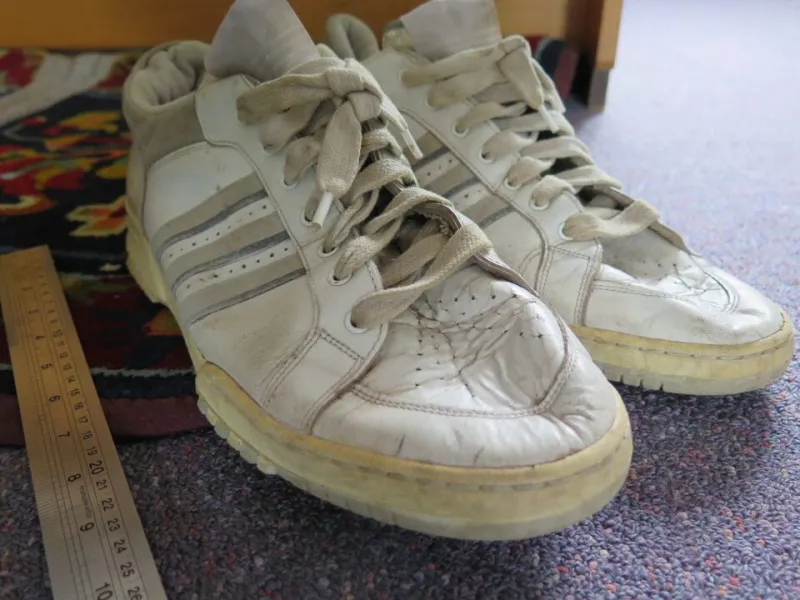
Photo: Jules Verne Times Two, CC BY-SA 4.0, via Wikimedia Commons
Every UK Jordan crew has the same group chat. It is part drop alert, part support network, part amateur detective agency. Someone posts a raffle link at midnight. Someone else asks if the fit is true to size. A third person says they are sitting this one out, then sends a screenshot of a cart at 8:01am. By 8:15am, the chat has either pulled together or fallen apart. In 2026, the group chat is as important as the drop itself.
The strange thing is that most crews have never written down the rules. They are learned through small embarrassments: the mate who forgot to pay, the size swap that went wrong, the person who went quiet when everyone else was trying to secure a pair. The group chat drop is not just about getting shoes. It is about keeping the group intact while everyone chases the same thing.
The 8am silence is a warning sign
You can tell a lot about a crew by who goes quiet at 8am. There is the organiser, who has three tabs open and a backup plan. There is the talker, who has been posting memes all week and suddenly has nothing to say. There is the lurker, who never contributes until they need a size swap. And there is the mate who always says they are not buying anything, then posts a confirmation screenshot before anyone else has even refreshed the page.
None of this is illegal in group-chat law, but it does shape the mood. The silence usually means one of two things: they are trying to secure a pair and do not want to jinx it, or they have already taken an L and are pretending not to care. A good crew can read the difference.
A shared cart is not shared ownership
This is the rule that causes the most trouble. If one person checks out for the group, the pair belongs to the person whose card was used until everyone has paid. That sounds obvious, but drop-day adrenaline makes people sloppy. The cart is not a communal pot. It is a temporary holding pen.
The clean way to do it is simple: agree the split before the drop, not after. Screenshot the total, including delivery and any fees. Say who is paying for what. If someone is covering the whole cart, they should send the breakdown in the chat before checkout. If the group is splitting payment, everyone should send their share before the parcel is opened, not after the first fit pic.
Size swaps need a paper trail
Size swaps are the group chat’s love language. One person gets a 9, another needs a 9, and a deal is done. But swaps work best when they are treated like tiny transactions rather than favours. Confirm the pair, the size, the condition and the meeting point. If the swap is happening by post, send the tracking number. If it is happening in person, check the pair together before anyone walks away.
The awkward version is the swap that happens on trust and then goes quiet. One person thinks they are getting a straight swap. The other thinks they are doing a favour and should be owed one. A quick message before the handover stops the resentment before it starts.
The mate who never pays on time
Every crew has one. They are not a bad person. They are just permanently three days away from sending the money. The problem is that drop-day finances are not a hobby. If someone fronts a cart, they are carrying the risk. The polite thing is to pay immediately, not when the parcel arrives, not when the next drop happens, and definitely not after a reminder that has been carefully worded to sound casual.
A good group chat has a gentle but firm way of dealing with this. Some crews use a simple rule: no payment, no pair. Others use a deposit system. The method matters less than the consistency. If one person is always chasing money, the group will eventually stop including them in the cart. That is not cancel culture. It is basic admin.
Plan for the drop, not just the shoe
In 2026, releases are spread across raffles, app drops, in-store queues and resale pages. A crew that only plans for one route is a crew that ends up disappointed. The better approach is to divide the labour. One person watches the raffle deadlines. One person checks the store allocations. One person keeps an eye on the resale market in case the group takes a collective L. It is not about being ruthless. It is about being realistic.
The group should also agree on a fallback. If nobody hits, do you wait for resale to settle or do you move on? If one person hits two pairs, do they offer the spare to the group first? These are the conversations that separate a crew from a collection of people who happen to use the same chat.
When a shared cart becomes a shared argument
The argument usually starts small. Someone forgot to include postage. Someone got the wrong size. Someone thought they were getting the pair and someone else thought they were getting it. The shoe is no longer the issue. The issue is the feeling of being left out of the decision.
The fix is boring but effective: talk before the drop. Say what you want. Say what you are willing to pay. Say what you are not willing to do. If the group cannot agree, split into smaller carts and keep the friendship. A shared cart is only worth it if everyone still wants to be in the chat afterwards.
The UK Jordan scene runs on crews, not just customers. The group chat is where the culture actually lives: the banter, the planning, the generosity and the occasional petty row. Get the rules right and the chat survives the drop. Get them wrong and you will be watching the next release alone, with nothing but a confirmation email for company.